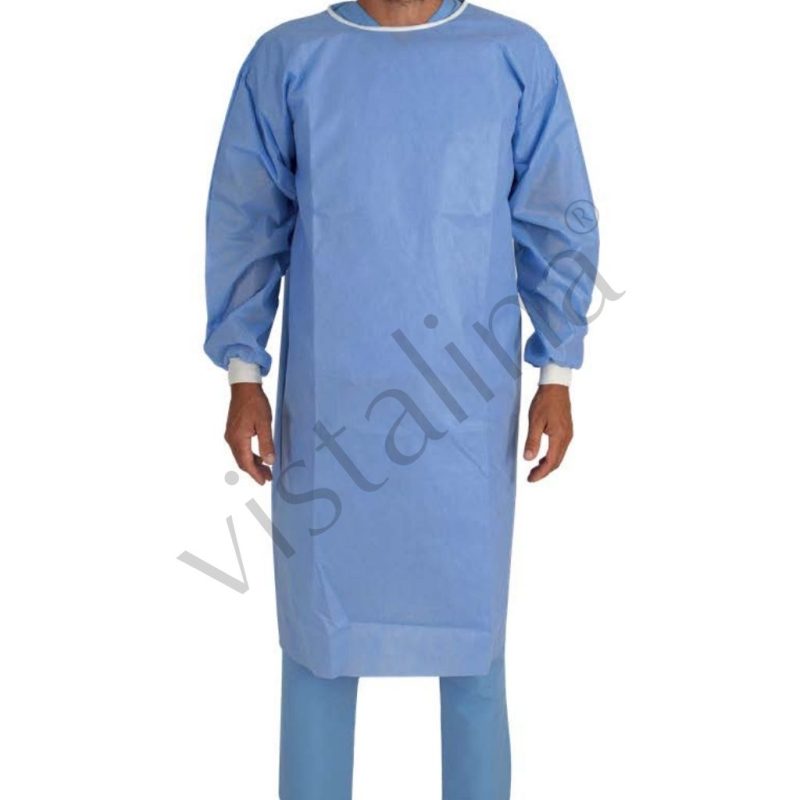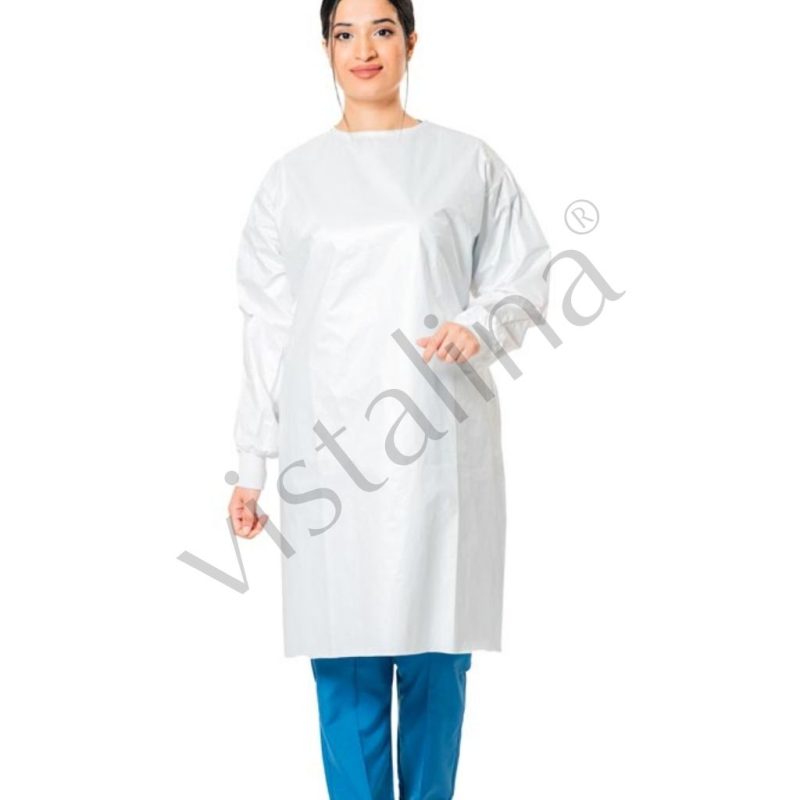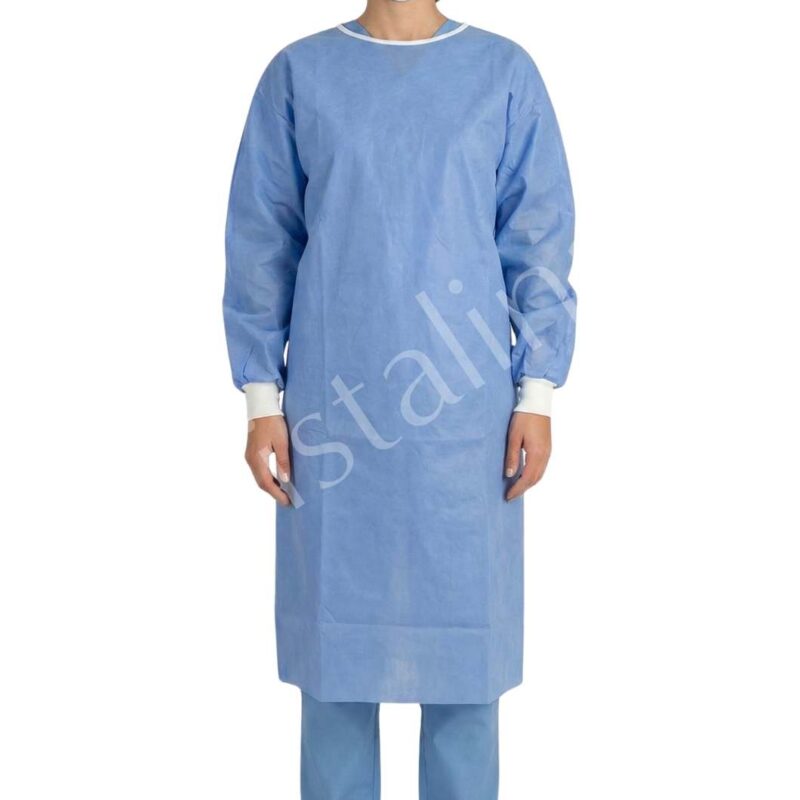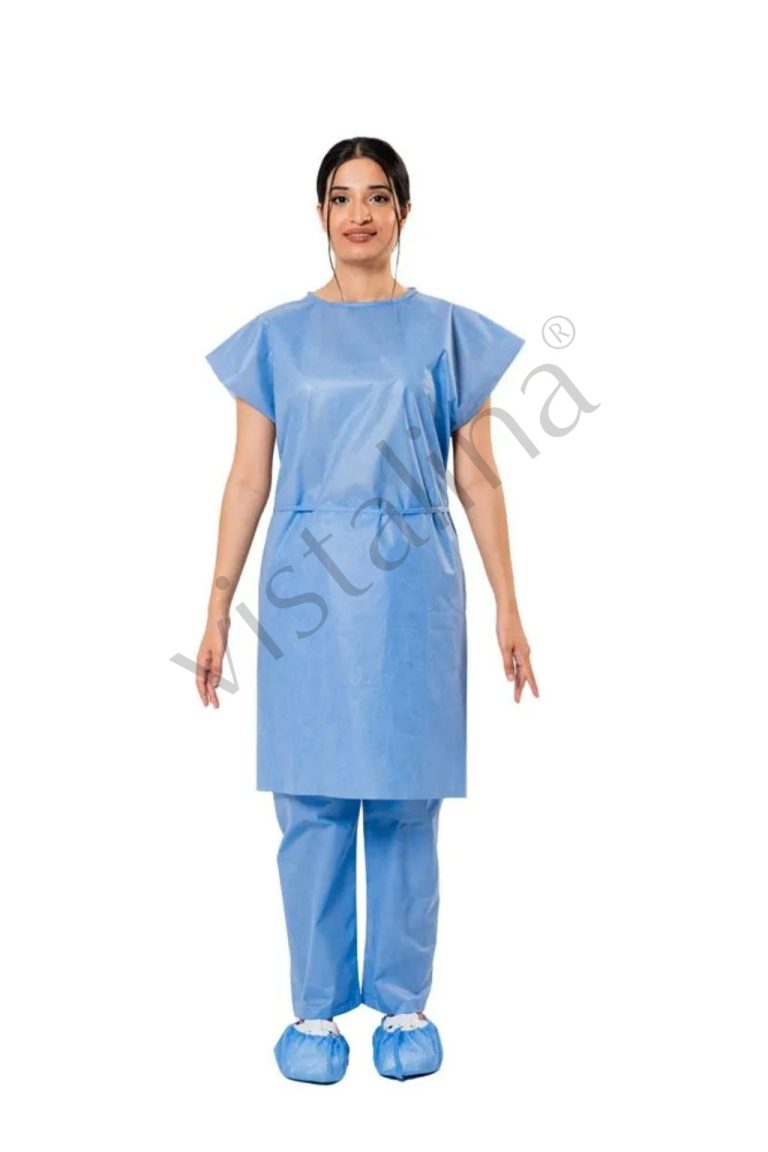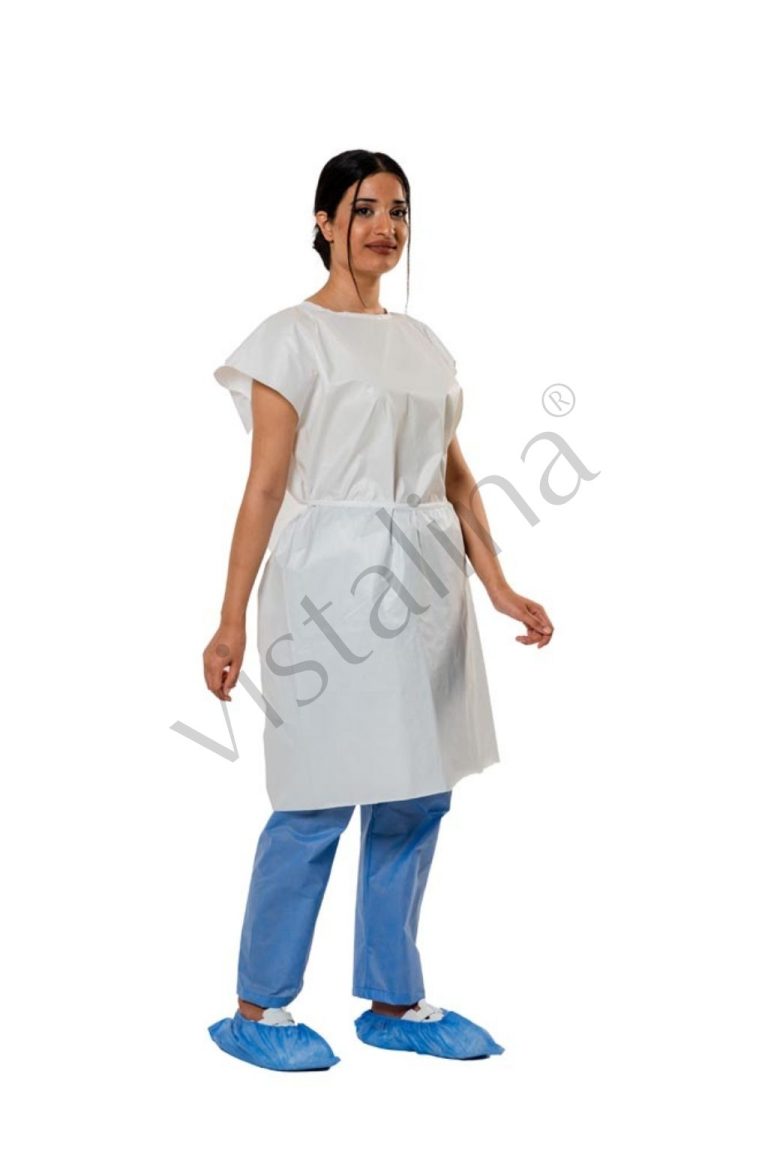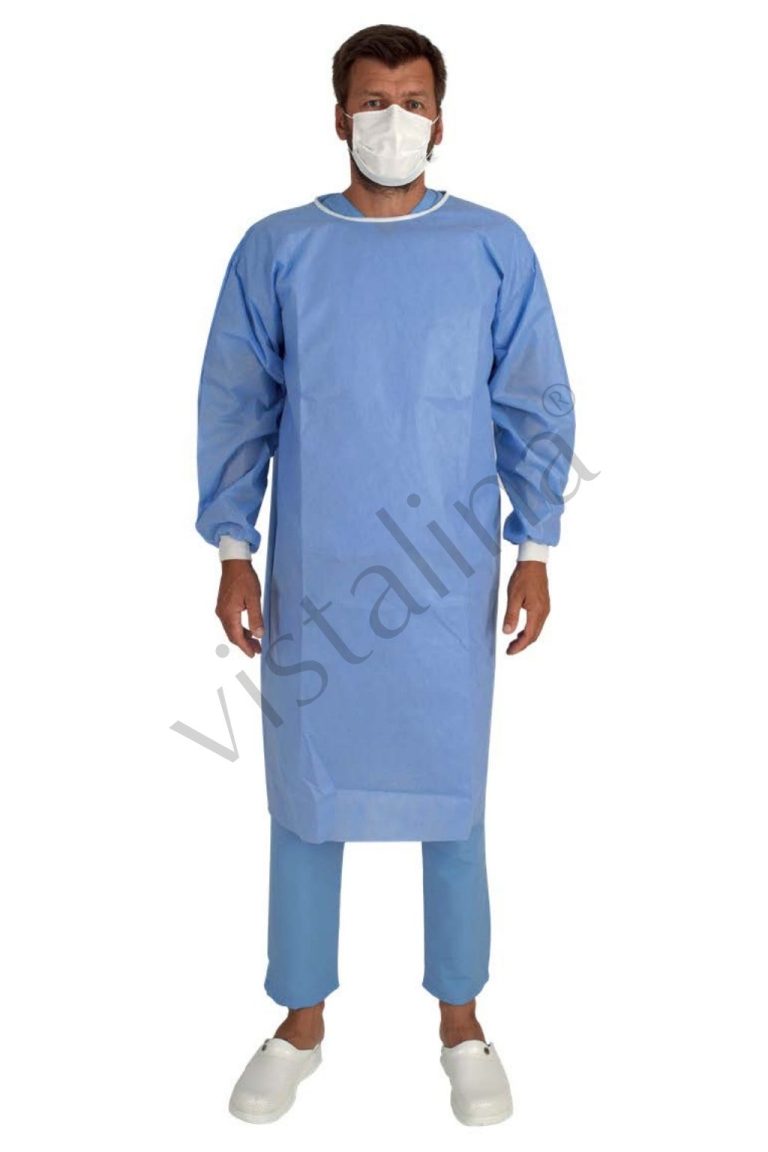


EN 13795 is the European standard for surgical gowns, drapes and clean air suits. Part 1 covers surgical drapes and gowns and sets limits for wet and dry bacterial penetration, liquid penetration, microbial cleanliness, linting and bursting and tensile strength. It separates standard performance from high performance in the critical zones, and hospitals often require it in tenders.
In the medical textile industry, EN 13795 is one of the most recognized European standards defining the safety, hygiene, and performance requirements for surgical gowns, drapes, and clean air suits.
It ensures that medical textiles used in operating theatres maintain a high barrier against bacteria and fluids, protecting both patients and healthcare professionals from infection risks.
What Is EN 13795?
EN 13795 is a European norm titled:
“Surgical clothing and drapes – Requirements and test methods. Since the 2019 revision it has two parts: EN 13795-1 for surgical drapes and gowns, and EN 13795-2 for clean air suits.”
It specifies the performance requirements and test methods for materials and finished products used in sterile operating environments.
The standard focuses on three main principles:
- Barrier protection – preventing bacterial and liquid penetration,
- Cleanliness – ensuring low particle release and minimal contamination,
- Strength and comfort – maintaining integrity, breathability, and usability during surgery.
Products complying with EN 13795 are considered safe for use in operating theatres and can carry the CE marking as Class I or Class II medical devices, depending on their use and risk level.
EN 13795 Test Requirements
EN 13795 requires multiple laboratory tests to assess both microbial barrier performance and mechanical strength.
Here’s an overview of the main test parameters:
| Test Type | Purpose | Test Method Reference | Requirement / Focus |
|---|---|---|---|
| Microbial Penetration – Dry | Evaluates barrier against dry contact contamination | EN ISO 22612 | Bacterial transfer through dry fabric |
| Microbial Penetration – Wet | Evaluates fluid-based contamination risk | EN ISO 22610 | Bacteria penetration when wet |
| Cleanliness – Microbial | Checks bioburden on clean products | EN ISO 11737-1 | Limits microbial presence on material surface |
| Particle Release (Linting) | Determines fabric particle emission | EN ISO 9073-10 | Ensures low particle release during movement |
| Bursting Strength | Measures fabric’s resistance to pressure | EN ISO 13938-1 or -2 | Defines mechanical durability |
| Tensile Strength | Tests material stretching performance | EN 29073-3 | Verifies fabric reliability under tension |
| Liquid Penetration Resistance | Simulates fluid exposure | EN ISO 20811 | Ensures hydrostatic resistance for critical zones |
| Seam Strength | Tests seam integrity | EN ISO 13935-2 | Verifies secure joining for all garment parts |
Classification: Standard vs Reinforced Surgical Gowns
EN 13795 divides surgical gowns into two main categories:
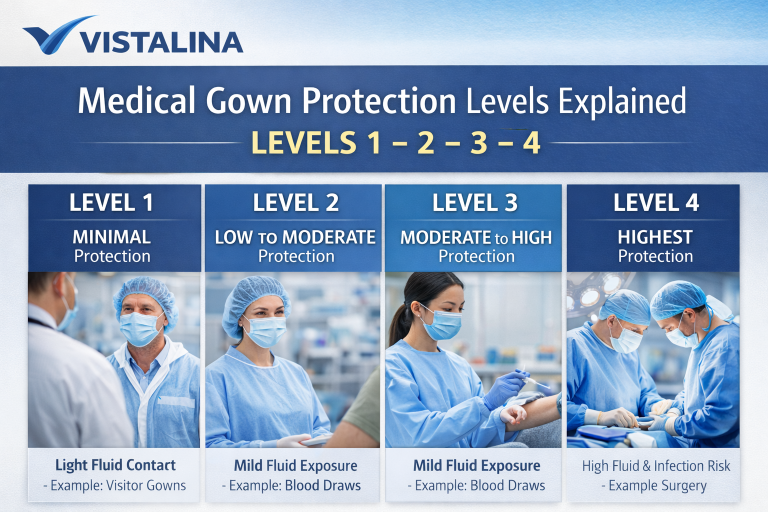
- Standard Performance Gowns → Used for low- to moderate-fluid exposure surgeries.
- High Performance (Reinforced) Gowns → Designed for high-risk operations involving long duration or high fluid exposure.
Each category must meet different threshold values for the tests above. For example, a high-performance gown requires stronger barrier and bursting resistance, especially in critical zones like the chest, front panel, and sleeves.
Where Is EN 13795 Applied?
The EN 13795 standard applies to:
- Surgical gowns (disposable or reusable),
- Surgical drapes and covers,
- Clean air suits used by operating staff.
It is primarily used in:
- Hospitals and operating rooms,
- Medical textile manufacturing and testing,
- Regulatory compliance for CE marking,
- Tender specifications in public healthcare procurement.
Many European hospitals require EN 13795 certification for any surgical textile used within sterile environments.
Benefits of EN 13795 Certification
- Ensures consistent barrier performance and microbial safety,
- Reduces cross-contamination risks,
- Demonstrates compliance with EU MDR 2017/745,
- Increases trust and credibility in export markets,
- Facilitates CE marking and international approvals.
For manufacturers, certification under EN 13795 is not only a quality benchmark but also a commercial advantage when exporting to Europe and other regulated regions.
Vistalina’s Commitment to EN 13795 Compliance
At Vistalina Textile, we design and manufacture surgical gowns, drapes, and protective apparel in full accordance with EN 13795 and AAMI PB70 standards.
Our in-house quality system ensures:
- Controlled production in clean environments,
- Testing according to EN ISO 22610, EN ISO 22612, and EN ISO 9073-10,
- Verified barrier performance in critical zones,
- Availability of both standard and reinforced gown types.
Operating from Gaziantep, Türkiye, Vistalina serves hospitals, distributors, and OEM clients worldwide with certified medical textiles that combine safety, comfort, and reliability.
Conclusion
The EN 13795 standard defines how surgical gowns and drapes must perform under demanding medical conditions.
By understanding these requirements and tests, healthcare institutions can ensure better protection and compliance.
As a trusted Turkish manufacturer, Vistalina Textile proudly meets these international standards, delivering products that keep patients and healthcare workers safe — every single day.
➡️ Learn more about our certified medical textiles at vistalina.com and request detailed EN 13795 compliance documentation.
Surgical gowns in our range for standard and high-performance use: SMS surgical gown, laminated surgical gown and antistatic surgical gown.
Frequently asked questions
What is EN 13795-1?
The part of EN 13795 that sets requirements and test methods for surgical drapes and gowns used as medical devices.
What is the difference between standard and high performance in EN 13795?
High performance requires stronger barrier values in the critical zones, for example higher resistance to liquid and wet bacterial penetration, for long or fluid-heavy procedures.
Does EN 13795 cover isolation gowns?
No. It covers surgical gowns, drapes and clean air suits. Isolation gowns that protect the wearer are usually assessed as personal protective equipment, for example to EN 14126.